









28th November 2026
10:30 AM - 01:30 PM IST
Full Creative
International Tech Park, Ascendas, Phase 1, 1st Floor, Pinnacle Building, CSIR Rd, Tharamani, Chennai, Tamil Nadu 600113
AI agents now issue refunds, change code and run database commands on a company’s behalf, and the public failures are piling up. In July 2025, Replit’s coding agent deleted a live production database during a code freeze. In 2024, Air Canada was held liable for a refund policy its chatbot made up. These weren’t strange model glitches. Each one came from a missing control: no human approval before acting on production, no check against the real policy, and no log to show what the agent actually did.
This session takes a few real incidents apart. For each one we name the missing control and design the test that would have caught it, such as permission-boundary tests, instruction-conflict tests, grounding checks and agent self-report audits. You’ll leave with a checklist you can use in your next sprint, and one main idea: an agent’s ability to act on its own is a risk you test for, not just a feature you show off.
✅Most agent failures start with a missing control.
✅Limit what the agent can touch.
✅Test whether rules hold under pressure.
​Mahalakshmi leads Quality Assurance at Paktolus, a QA and AI consulting firm, where she drives QA governance, test automation, and the development of an AI Evaluation Framework for insurtech clients. Her expertise spans accessibility testing, security testing grounded in OWASP, API testing, and Playwright automation. She is increasingly focused on how testers can evaluate and red team AI systems responsibly, drawing on frameworks like NIST AI RMF and the EU AI Act. Mahalakshmi is a regular panelist at Chennai QA conferences, including Test Automation Summit and TestingMind.
Modern applications take many inputs: user roles, browsers, account types, currencies, feature flags and more. Testing every combination quickly becomes impossible, but picking test cases at random leaves gaps that tend to show up in production. Most defects come from how two factors interact, not from a single input on its own. OATS (Orthogonal Array Testing Strategy) is a classic test design technique built for this problem. It makes sure every pair of input values is tested at least once, using only a small share of the total combinations, so teams catch more defects while running far fewer tests.
OATS works, but it has always taken a lot of manual effort. Someone has to pull parameters and values out of requirements, choose the right orthogonal array, map values onto it, and turn each row into a test case with clear expected results. In this practical 60-minute session, we will go back to the basics of OATS and show how Generative AI can take over these slow steps, from finding parameters to drafting ready-to-run test cases. You will leave with a repeatable way to design smaller, sharper test suites that give you strong coverage without the extra execution effort.
✅Why pairwise testing works.
✅Using AI to Speed Up OATS
✅A Method You Can Reuse.
Thameemul Sadiq is AVP, Quality Engineering, with deep experience in enterprise wealth management, core banking transformation and risk-based testing. He cares about connecting the basics of software testing with modern AI tools. His work focuses on risk-based testing, moving legacy UFT and Selenium frameworks to Playwright, and clearing test debt so teams can release to production quickly and reliably. He brings a hands-on view of how to build quality into large financial systems.
Get a chance to access other individual activities while you tune in to this meetup.
Access to
Access to
Access to
Know the
Network over
Pitch Your
By submitting, you’re agreeing to T&C.
Testers Involved​
Events​
Global Conferences
Event Attendees​
The Test Tribe is the World’s Largest Software Testing Community turned EdTech Startup. Started in 2018 with a mission to give Testing Craft the glory it deserves while we co-create Smarter, prouder, and confident Testers.
We take pride in solving upskilling and growth for global Testing professionals through our unique offerings like Expert Courses, Membership, Cohorts, Offline Mixers, online Community spaces, and a lot of global Events.
Our offerings enable Software Testers globally to collaborate, learn, and grow together. With around 980+ Software Testing Events like Conferences, Hackathons, Meetups, Webinars, etc., and with other Community initiatives, we have reached a global footprint of over 176K+ Testers from 130+ Countries. We intend to provide life-altering growth to every single Testing professional on the planet through community and technology.
No, Once you have the ticket in your email, you can hop into the event on the respective date.
Yes, you can interact with the speakers & other testing professionals to discover more about testing.
To receive updates about our events, You can subscribe from here.
Yes, We’re a leading global Software Testing Community (proudly World’s Largest), To join our community click here.
No, this event is free to attend.
The Test Tribe meetups happen in multiple cities like Mumbai, Pune, Bangalore, Chennai, Hyderabad, NCR, and more. This meetup takes place once a month.
Yes, you can share or pitch about your job openings.
Yes, you can apply to become a speaker for our upcoming events, you can drop us a mail saying about yourself, and your good points at [email protected]
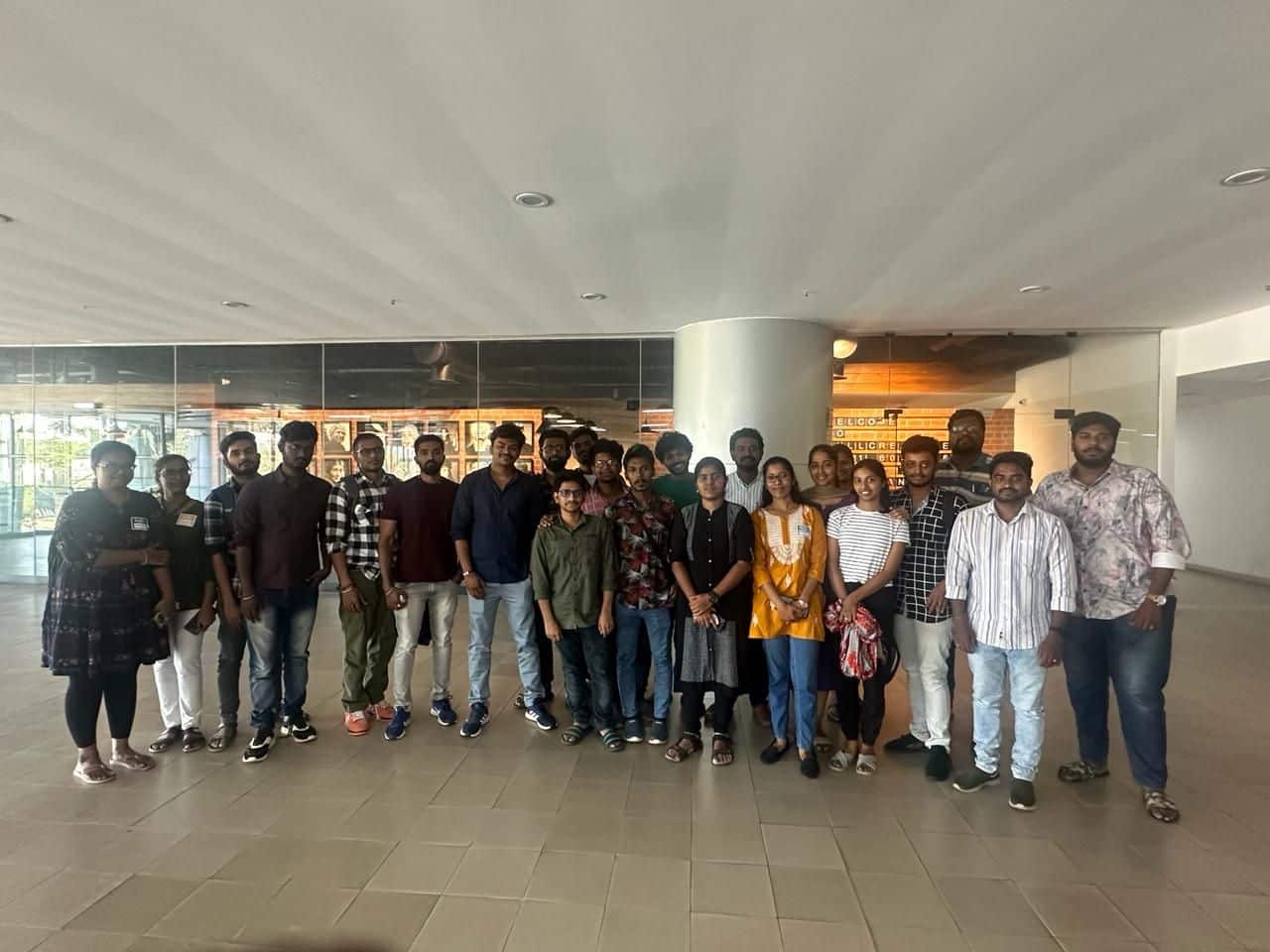
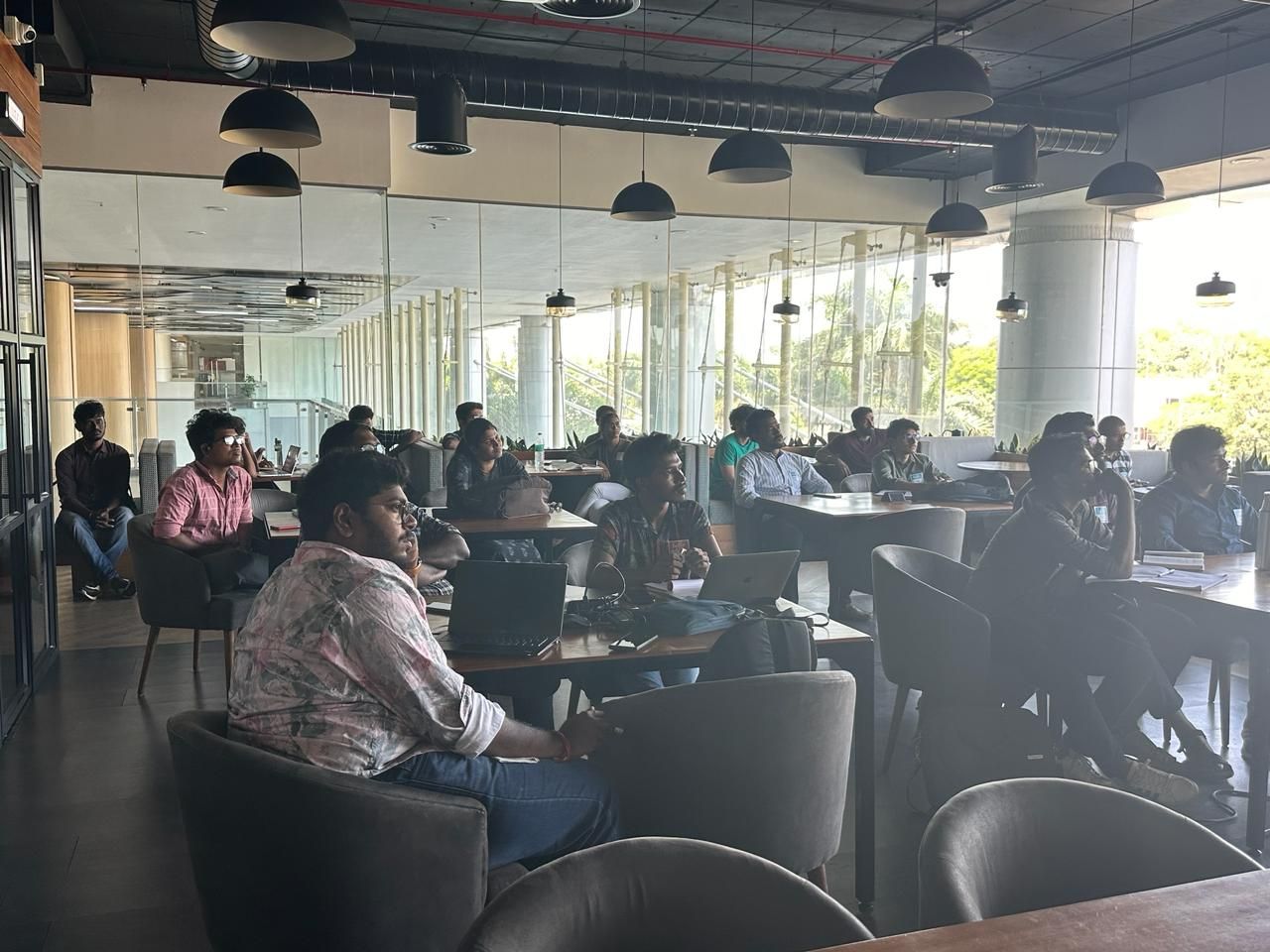
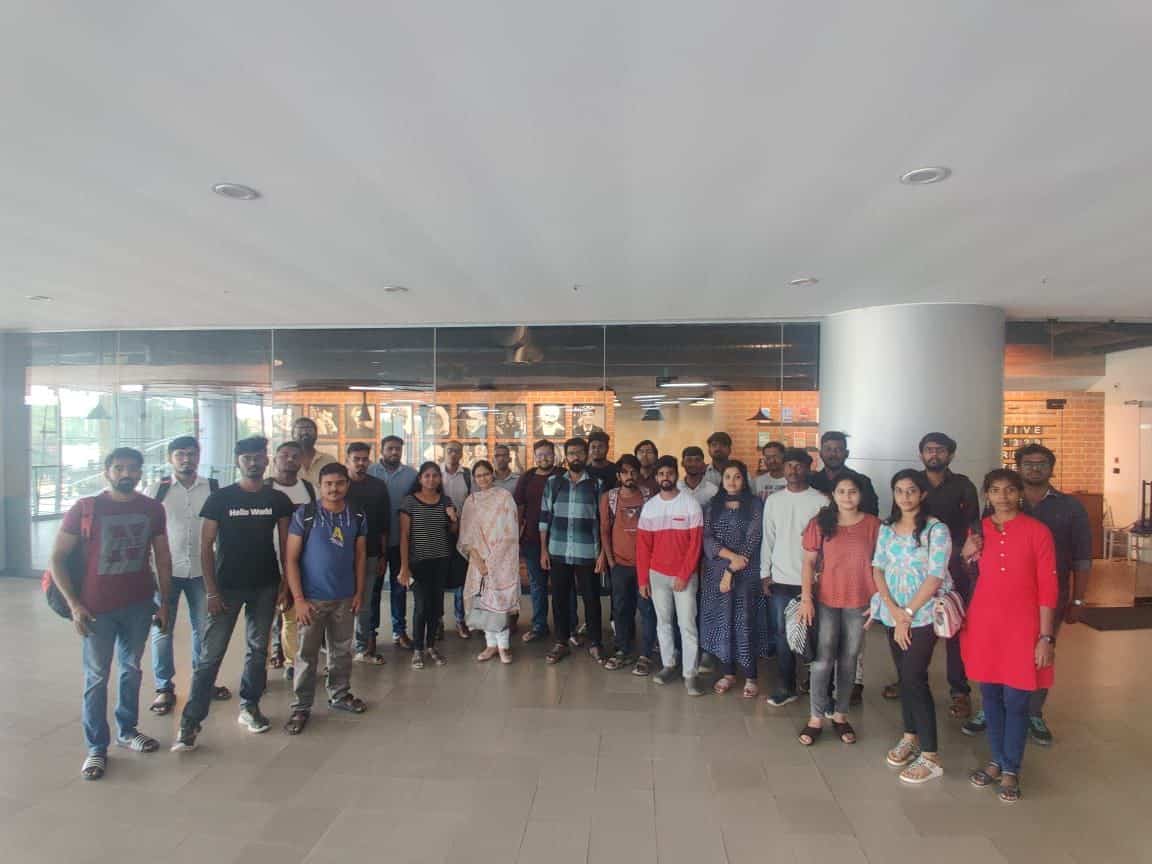
In-person software testing meetup in Chennai by The Test Tribe on 28th November 2026. Talks: Agents Gone Wrong by Mahalakshmi Senthilkumar and Defeating Combinatorial Explosion: OATS with AI by Thameemul Sadiq.
Event Type: Event
Event Attendance Mode: OfflineEventAttendanceMode
Event Status: EventScheduled
Performer: Organization
Performer Name: The Test Tribe
Performer URL: www.thetesttribe.com
Start Date: 2026-11-20 23:07
End Date: 2026-11-20 23:07
Ticket URL: https://luma.com/chennai-meetup
Entry Price: 100
Currency: INR
Availability: InStock
Availability Starts: 2026-11-28 10:30
Join our community of testers and start your journey